State of Qatar
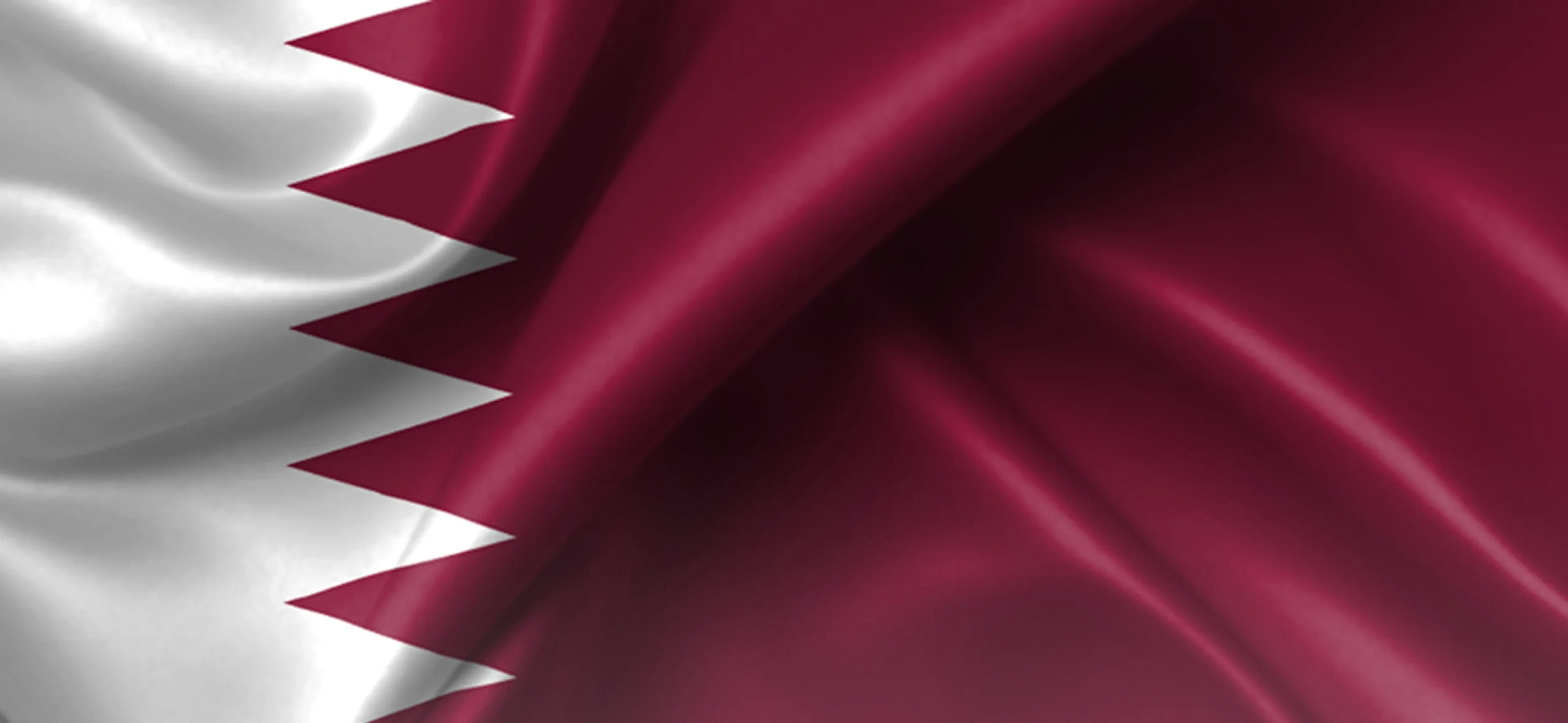
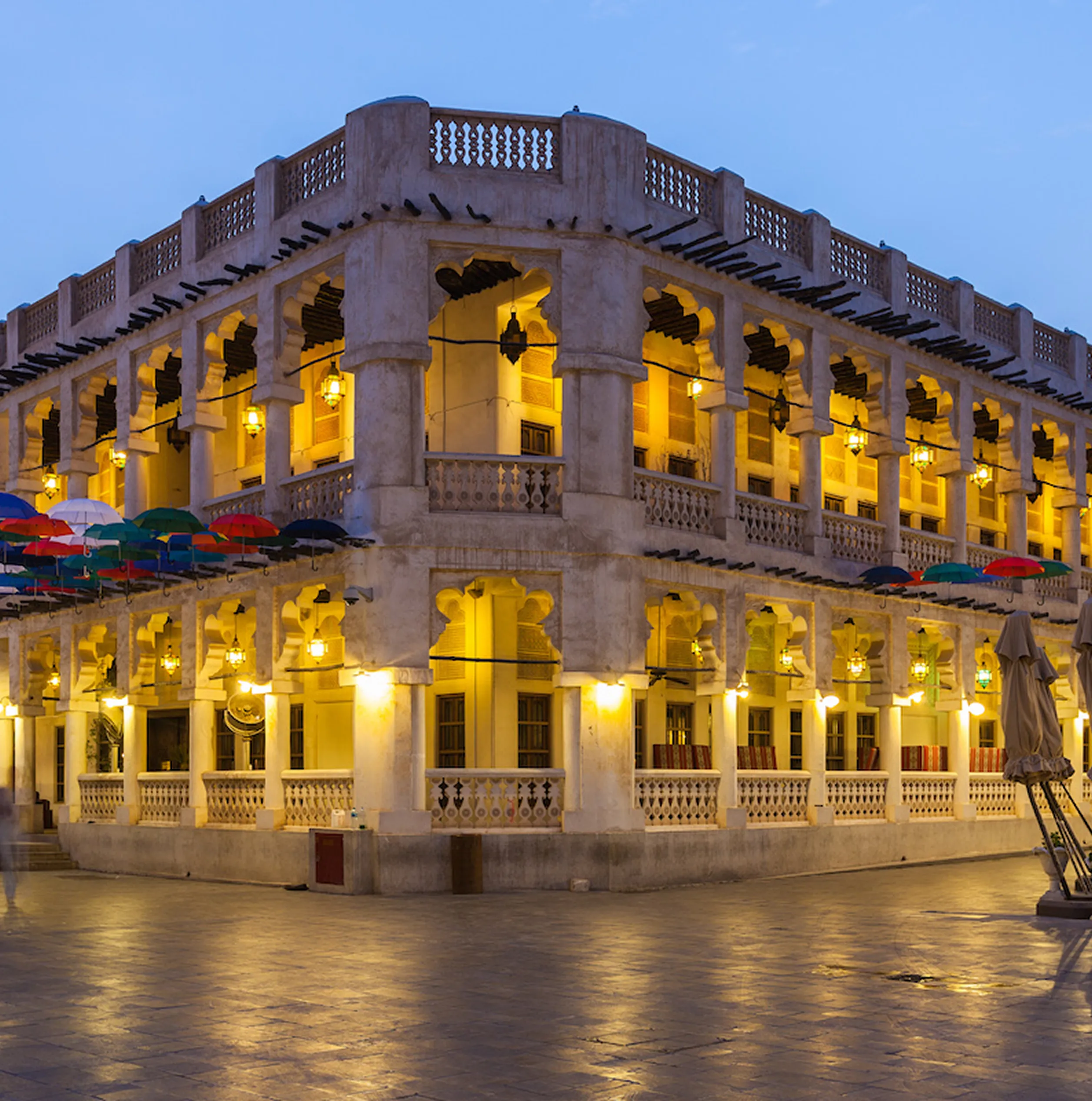
The State of Qatar is a fascinating and fast growing country. It is renowned for the warmth of its sands, its seas and, above all, its people. Qatar’s hospitality adds new dimension everyday to the novel feature ‘hospitality’. The relatively small country at International map is characterized by the icon of hospitality and its citizens are best known for their generosities, humanitarian values, peace-loving and kind gestures. The theme ‘Old and New’ reflects Qatar’s unique dichotomy – a balance of the natural environment, heritage, culture, traditions, modern lifestyle and architecture, and the distinctive patterns and textures this creates across the land.
Stability, Diversity, & Visionary Leadership
Qatar is known for its safe and secure environment, its pristine beaches, its dramatic dunes and its rapidly developing infrastructure, Qatar is reaping the rewards of well-planned and far-reaching economic, political and tourism strategies under the able leadership of the Emir, His Highness Sheikh Tamim Bin Hamad Al- Thani.
- More than half of the population consists of foreign nationals, creating a diverse and multicultural society.
- This cultural diversity contributes to Qatar’s global outlook and enriches daily life.
- Doha, the capital city, has emerged as a dynamic international hub and cultural crossroads.
Geography & Location
A Peninsula of Opportunity in the Middle East
Strategic Location
Surrounded by the calm blue sea where the sun always shines. Located in the Middle East, Qatar projects from the Saudi Arabian mainland with a 60 km land border.
Natural Landscape
With spectacular limestone outcrops in the west, and its characteristic crescent sand dunes in the south, Qatar is a land of character, culture and opportunity.
Scale & Reach
Covering 11,521 square kilometers, Qatar is small but its growing influence extends well beyond the Gulf region.
Qatar's Energy Sector
The country’s production units generally fall into one of two categories: 1) Independent Water Producers (IWPs) 2) Independent Water and Power Projects (IWPPs) The latter being more common given the traditional link between water and power production in Qatar. The country’s main utilities producer is Nebras Energy, which is also the second-largest power and water firm in the MENA region. Within Qatar, according to the company, it has a 62% share of the electricity market and 79% of the water market. Founded in 1990 as the first such private firm in the region, Nebras Energy was ceded control of Kahramaa’s production units in 2002, and today is a public shareholding company owned 52% by the state and 48% by private firms and individuals. In turn, it holds part-ownership in six other local utilities producers. Between its various in-country facilities, Nebras Energy produces 5432 MW of electricity and 258m gallons of water per day. It also directly owns and operates six plants: a) Ras Abu Fontas (RAF) A, with a daily capacity of 497 MW of electricity and 55m gallons of water; b) RAF A1, with a capacity of 45m gallons; c) RAF A2, with 36m gallons; d) RAF B, with 609 MW of electricity and 33m gallons; e) RAF B1, with 376.5 MW; f) RAF B2, with 567 MW and 30m gallons. Other IWPPs have a substantial presence on the supply side. Ras Girtas Power Company runs the largest power generation project in the region, with capacity of 2730 MW a day, alongside 63m gallons of water production. The country’s third-largest producer by electricity generation capacity (Nebras Energy comes second with its six plants totalling 2050 MW) is Mesaieed Power Company, with 2007 MW. QP owner is fourth with 1025 MW per day alongside 60m gallons of water, followed by Ras Laffan Power Company with 756 MW and 40m gallons per day.
Electricity Demand Growth in Qatar
Driven by rapid economic expansion and population growth, electricity demand in Qatar has increased significantly over the past decade. Consumption has risen steadily year over year, accompanied by higher peak load requirements and a growing share of residential usage.
- Electricity demand more than quadrupled by 2012, reaching 32 billion kWh (EIA).
- Demand increased to 36.1 billion kWh in 2014, marking a 12.1% rise compared to 2013 (Kahramaa).
- Peak electricity demand reached 6,740 MW in 2014 (+12.3%) and increased to around 7,000 MW in 2015 (NEBRAS ENERGY).
- Expected annual growth was estimated at 6–8% in 2016.
Electricity consumption breakdown (2014):
Residential
consume
Industrial consume
Auxiliary consumers
Transmission losses
Total water consumption in Qatar rose to 535m cu metres in 2015, according to Kahramaa data, up from 195m cu metres in 2005. At present Qatar has enough potable water stored in reserve to supply the country for 48 hours, and though it has ample production capacity to meet demand, any interruption of operations at these units could have an adverse effect on businesses and resident life.
Solar Energy
One way to achieve Qatar’s goals to reduce use of fossil fuels is through solar power, especially given the abundant sunshine in the country. According to the Climate Technology Centre and Network, the annual solar energy potential of each square kilometre of Qatari soil is equivalent to 1.5m barrels of oil. Recognizing this, authorities have been pushing major projects in this segment, announcing in December 2012 a huge investment plan with a goal of producing some 1800 MW of power from solar sources by 2020 – the equivalent of 2% of Qatar’s forecast energy needs. Targets rise to meeting 20% of energy demand with solar power by 2030. This new capacity will help meet demand from the utilities sector, which currently accounts for about 40% of domestic consumption, and would have a significant effect on cost margins and sustainability.
Strategic Partnerships:
- In December 2015, NEBRAS ENERGY signed a memorandum of understanding with Qatar Petroleum
- Formation of a 60:40 joint venture to develop solar power projects
- Initial investment capital of QR 1.82 billion (USD 500 million)